
Ultimate Guide to Shipping Electric Vehicles
Share:
Shipping an electric car is straightforward once you know the playbook. Electric vehicles bring extra weight, low ground clearance, and software settings that need attention. A few smart steps around loading, tie-downs, and battery care keep things smooth and on schedule.
As your electric vehicle transport partner, AutoTransport.com handles the details that matter most. We set the right modes, protect the underbody, watch charge levels, and keep you updated. You get safe, predictable delivery without the guesswork.

Electric vs. Gas Car Transport: What's the Difference?
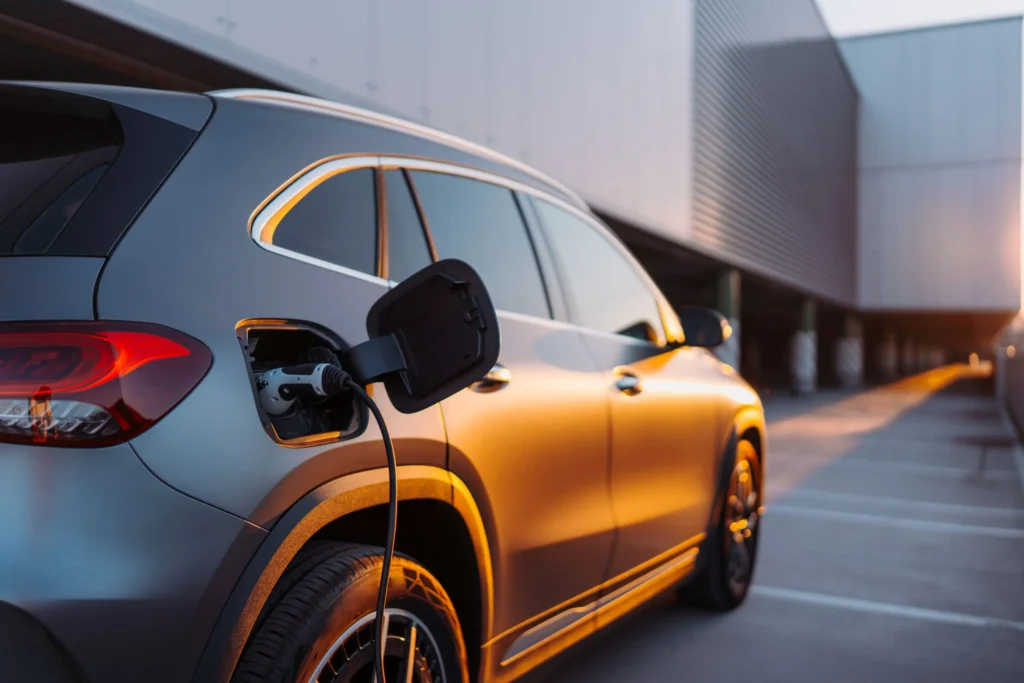
Electric vehicles ship on the same kind of trucks as gas cars, but the process is not identical. Extra weight and battery safety rules change to plan the move and the cost to ship an electric vehicle. Some considerations include:
- Electric vehicles weigh more because of the battery. That can determine which truck to use and where to position your car on the deck.
- Many electric vehicles sit lower. Long ramps, ramp extensions, or a liftgate help load the vehicle without scraping.
- Tie-down points can be different from gas cars. Only tie down on approved spots and stay clear of the battery case.
- Many electric vehicles don’t have a simple neutral, so you’ll need to put the car in Transport or Tow Mode before loading.
- Regenerative braking can fight the carrier. The car must ride with all four wheels off the ground.
- Keep the battery at 30% to 50% before pick-up. That’s safer for storage and follows carrier rules.
- Carriers watch temperature and carry fire-safe gear as standard practice.
- Turn off Sentry Mode, motion sensors, and other alarms before pick-up.
These differences influence carrier choice, route planning, and time on the truck. We account for them before dispatch, so loading is smooth and tie-downs are correct. You get a clean handoff, accurate ETAs, and an electric vehicle that arrives ready to drive.
Limited Time Offer
Need Expedited Transport?
When time is of the essence, our Expedited Transport Service ensure your vehicle gets where it needs to go – quickly sand safely. Whether you’re facing a tight deadline, unexpected move, or just want your car delivered ASAP, we’ve got you covered.
Shipping Electric Vehicle Safety and Common Risks
Electric vehicle shipping works best when the small steps are done right. If they’re skipped, problems can stack up. Extra weight, software settings, and high-voltage parts leave less room for error. Here’s what can go wrong when electric vehicle transport isn’t handled correctly.
- Straps in the wrong spots can bend suspension parts or damage the battery case.
- Steep ramps can scrape the front lip or underbody panels.
- Leaving Sentry Mode or alarms on can drain the 12-volt battery and stall loading.
- A pack charged too high or too low can see extra stress in heat or cold.
- Regen left active and wheels on the ground can fight movement and cause damage.
- Bad weight placement can push trailer axles over legal limits and delay the trip.
Using the right ramps, proper tie-downs, and Transport or Tow Mode protects your vehicle while loading.
Brand-Specific Considerations
Every electric vehicle shares core steps, but brand settings can change the playbook. Here are some callouts to watch for so your electric car shipping stays smooth, safe, and on time.
Tesla
Before pick-up, turn off Sentry Mode and any motion alarms. Close the charge port. Put the car in Tow or Transport Mode as the manual shows. If you have a Model S or X with air suspension, turn on Jack mode before any lift. Carriers load with shallow angles and strap at approved wheel points, never around the battery tray or underbody panels.
Rivian
Switch off Gear Guard to avoid alerts and 12-volt drain. Turn on Vehicle Shipping Mode and raise the suspension for better ramp clearance. Set Jack mode before lifting and release Park for loading when asked. R1T and R1S are heavy, which makes proper deck position more important.

How to Prepare Your Electric Vehicle for Transport
A little prep goes a long way. These steps help electric car shipping run on time and protect your vehicle.
Set Battery to 30% to 50% and Power Down
Target a safe state of charge before pick-up. Thirty to fifty percent SoC supports battery health during transport and storage. Power the car down after you park. Close the charge port and turn off scheduled charging.
Turn Off Sentry Mode, Gear Guard, and Motion Alarms
Disable Sentry Mode, Gear Guard, cabin motion sensors, and any other alarms. These features draw 12-volt power, which could make it difficult to start your car after transport.
Use Transport or Tow Mode Per Your Manual
Some electric vehicles have a transport or tow mode. Set it before the carrier arrives. This helps with park releases and disables regen behavior. The car still rides with all wheels off the road on the truck.
Check 12-Volt Battery Health
Your 12-volt system powers locks, screens, and park releases. If it’s weak, features can time out during loading. If you’ve seen warning lights, charge or replace the 12-volt battery before pick-up.
Document Condition With Clear Photos
Take front, rear, both sides, wheels, glass, and interior photos. Add close-ups of any scrapes. Time-stamp them. Good documentation speeds up claims if something happens in transit.
Remove Personal Items and Toll Tags
Clear the trunk, frunk, door pockets, and center console. Remove toll tags or wrap them in foil. Loose items can shift on the trailer and aren’t covered by a carrier’s cargo policies.
Secure Cables and Accessories
Pack the mobile charger, adapters, and charging cables in a bag. Stow them in the trunk or frunk so they don’t move around. Note any special adapters on your bill of lading.
Raise Ride Height and Mind Low Lips
If your electric vehicle has adjustable suspension, pick the highest setting. Ramps or a liftgate help protect the nose and underbody.
Provide Keys, Key Card, or App Access
Have a physical key or key card ready. If your brand uses a phone app as the key, confirm it works at the pick-up spot. Share any PIN to drive or valet codes we’ll need for loading.
Pause Smart Features and Updates
Turn off walk-away lock, auto present handles, and any scheduled software updates. Updates or auto-lock cycles can wake the car on the trailer. Keep things simple until delivery.

The Electric Vehicle Shipping Process
The electric vehicle shipping process follows a clear, step-by-step plan from pick-up to delivery. Carrier selection, the correct settings, and status updates keep the move on track.
- Quote and scheduling. Lock in open vs. enclosed transport, pick-up window, delivery address, and route.
- Pre-pick-up checklist. You set SoC to 30% to 50%, turn off Sentry or Gear Guard, and take photos.
- Pick-up and inspection. Document condition on the bill of lading, verify Transport or Tow Mode, and check 12-volt power.
- Loading and securement. Low-angle ramps or a liftgate protect low lips. Wheel straps at approved tie-down points secure the car.
- In transit. Your electric vehicle rides with all wheels off the ground.
- Delivery coordination. The carrier confirms delivery in advance. If the street is tight, a nearby handoff can be arranged.
- Final walkaround. Compare delivery photos to pick-up photos and close out the bill of lading.
With these steps, electric car shipping stays predictable, and your electric vehicle arrives ready to drive.
Partner with AutoTransport.com
When shipping your electric vehicle, you want an experienced carrier who knows the nuances of transporting an electric car. Our carrier partners understand battery safety, tow modes, and proper loading techniques. Drivers follow brand checklists for Tesla, Rivian, Lucid, and others. You get door-to-door service, steady updates, and clear paperwork.
Ready to move your electric vehicle? Request a fast quote from AutoTransport.com to reserve the best service to transport an electric car. Or you can call us at (800) 757-7125. We’ll handle the electric vehicle transport details so you can plan the drive at delivery.

FAQs
How Different Is Shipping an Electric Car?
It’s similar to gas car transport, but weight, ground clearance, and software settings change the workflow. Electric vehicles ride with all wheels off the ground and use approved tie-down points away from the battery tray.
How Do You Ship an Electric Car?
Get a quote, choose open or enclosed transport, and set a pick-up window. Prepare your electric vehicle by setting the battery to 30% to 50%, turning off alarms, and gathering photos. Your car rides on a truck, not on its wheels. At delivery, we do a final walkaround and hand you the keys.
How Are Electric Vehicles Transported?
The electric vehicle is winched or driven onto the deck, placed for weight balance, and secured at approved points with wheel straps. Wheels never roll on the road. We monitor ETAs and weather, then meet you for a clean handoff at drop-off.
What State of Charge Should I Set Before Pick-Up?
Aim for 30% to 50%. That range supports battery health during transit and storage while reducing heat risk. It also leaves enough energy for loading, unloading, and short moves at delivery.
Is Open or Enclosed Transport Better for Electric Vehicles?
Open transport costs less and works for most electric vehicles. Enclosed transport adds protection from weather and road grit, which helps with luxury models, fresh paint, or very low clearance. If you’re evaluating the cost to ship an electric vehicle, we can quote both so you can compare.