
Driveaway services give you a simple option. A professional driver gets behind the wheel and moves your car from the pick-up point to the destination. It’s different from traditional auto transport, where your vehicle rides on a trailer with several others. More people are choosing this direct approach, including dealerships, families relocating, and fleet owners who need fast point-to-point delivery.
AutoTransport.com matches you with licensed drivers who handle the trip from start to finish. Knowing how driveaway works, what it costs, and when it makes the most sense helps you plan the move with confidence.
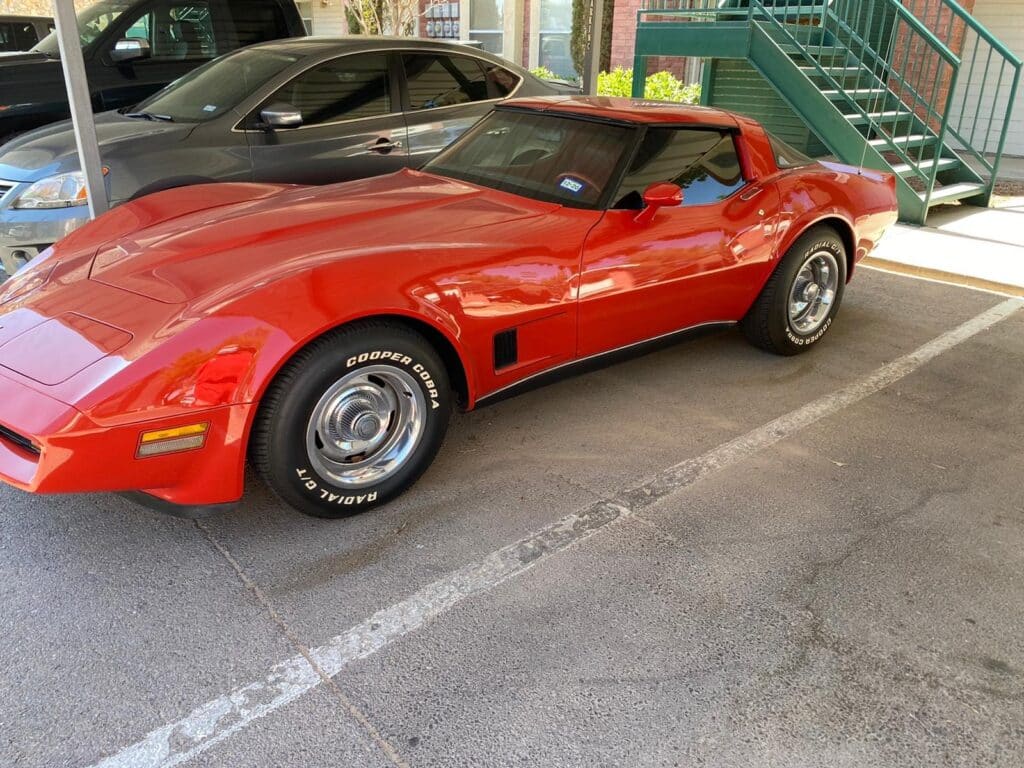
A driveaway service is a simple idea. You hire a professional driver to take your vehicle from one place to another. There’s no trailer or shared load. Your car, truck, or RV moves under its own power on a direct route. Many people call this “driveaway,” while “auto driveaway” is often used by clients who want to distinguish it from trailer shipping. “Driveaway companies” are the providers that supply the licensed, insured drivers and handle the planning.
We see driveaway used in several situations. Fleet relocations need fast moves for multiple units. Snowbirds send vehicles south or north for seasonal travel. Dealerships transfer cars between stores or to auction sites. Families rely on it during corporate relocations. Military members use it to move a vehicle between bases when time is tight.
Common vehicle types include:
As long as the unit runs well and is safe for the road, a driveaway driver can handle it.
Driveaway and trailer transport solve the same problem in different ways.
Driveaway pros:
Driveaway cons:
Trailer transport pros:
Trailer transport cons:
Driveaway fits best when speed and flexibility matter more than mileage. Trailer shipping tends to make more sense for long hauls, higher value models, or any vehicle you want kept off the road.
With driveaway, the steps are pretty simple. You start by asking for a quote or locking in dates for your move. At that point, we collect basic details about the car and both addresses so we know exactly what you need. From there, we match you with a trained driver. Every driver goes through background checks that include driving history and past work verification.
Once the driver is assigned, we confirm the right insurance coverage for the trip. This step protects the vehicle and everyone involved. When the driver arrives, you walk around the vehicle together and fill out a condition report with mileage, photos, and any dings or scratches that are already there. You review and sign the paperwork before the trip begins.
During transit, you get steady updates. We track the route, watch for traffic changes, and adjust timing when needed. When the vehicle arrives, the driver performs another inspection. At delivery, you look over the vehicle again, line it up with the first report, sign off on the paperwork, and that closes out the trip.
We work with experienced drivers who know long-distance travel well. Many are DOT-certified or retired CDL holders who understand road safety and vehicle handling. Each one passes a screening process that checks driving records, safety history, and professional references. That level of care helps build trust before the trip even begins.
Driveaway timing stays pretty predictable, and most trips follow a simple distance pattern. The driver’s route, rest breaks, and weather all play a role, but distance is the biggest factor.
Here’s a quick breakdown of typical timeframes.
These rough ranges give you something realistic to plan around. If bad weather, construction, or heavy traffic slow things down, the driver and dispatch adjust the route and timing so the trip stays safe instead of rushed.
Driveaway insurance gives you protection while a professional driver is behind the wheel of your vehicle. It usually includes liability coverage, which handles damage the driver may cause to another person or property during the trip. Comprehensive and collision coverage address damage to your own vehicle from accidents, storms, theft, or other road hazards.
Depending on the setup, there may be a small amount of coverage for personal items tucked in the trunk, though limits are usually low and exclusions are common.
This coverage helps you move forward with confidence because the vehicle is protected from the moment the driver begins the trip until final delivery.
Limited Time Offer
When time is of the essence, our Expedited Transport Service ensure your vehicle gets where it needs to go – quickly sand safely. Whether you’re facing a tight deadline, unexpected move, or just want your car delivered ASAP, we’ve got you covered.
The policy that applies on your trip might come from the driveaway company, from your own auto policy, or from a combination of the two. Many driveaway providers carry commercial liability that follows their drivers while they are working a job.
Physical damage coverage may come from the driver’s policy, the company’s policy, or the owner’s existing auto policy, depending on the setup. Drivers are covered only while they’re operating the vehicle under dispatch. That means coverage is tied directly to the trip and the agreement in place before the vehicle leaves.
We treat safety as part of the job, not an extra. Dispatch uses GPS tools to keep an eye on the route and send you updates while the vehicle is on the road. Before leaving, the driver checks tires, lights, and basic mechanical items.
They also take pictures at pick-up and again at delivery so there is a clear record of condition. We stay in touch with drivers, review driving history, and step in if something does not look right.
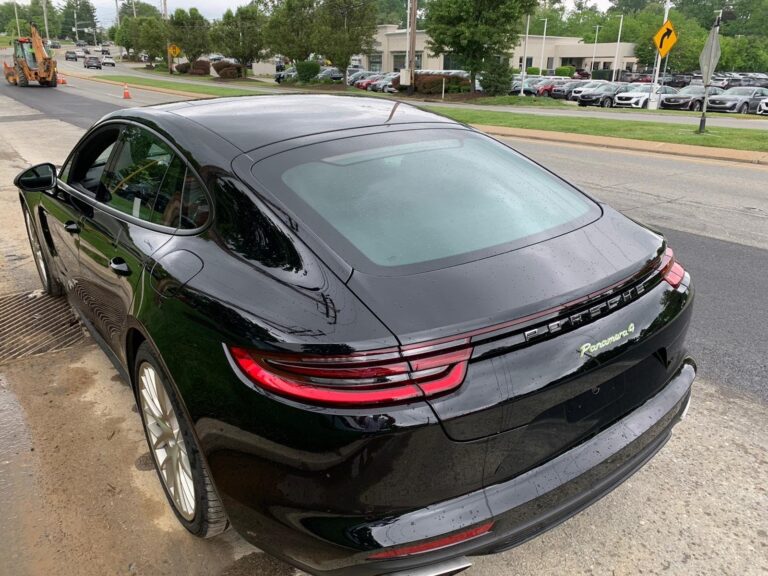
A driveaway service works well when you need direct, fast transport. If timing matters and you want the vehicle delivered as soon as possible, having a professional driver take it on a straight route is hard to beat. You avoid trailer scheduling and shared carrier delays.
Some clients prefer this method because the vehicle moves under its own power. There’s no loading or unloading. The car arrives warmed up, road-tested, and ready to go.
Driveaway also helps when you’re moving several fleet or company vehicles. Coordinating multiple trailers can slow things down, while sending several drivers keeps the project moving at a steady pace. Many luxury and electric car owners choose driveaway because it gives the driver full control of the vehicle.
A trained driver can manage charging, software features, and any special steps the car needs. Seasonal travelers and families going through a temporary relocation rely on driveaway as well. It lets them fly ahead and have their car waiting at the new address.
Driveaway will not fit every situation. A vehicle that has existing mechanical problems or carries a salvage title is usually better off on a trailer. It may break down during the trip or be unsafe for highway driving. In those cases, trailer transport is safer. Long cross-country routes also bring added mileage, which can affect resale value or lease limits. If the distance is thousands of miles and you want to avoid wear, a trailer is usually the better choice.
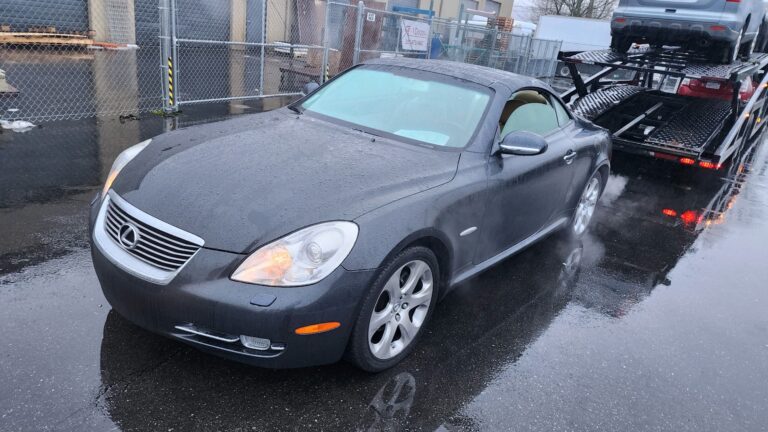
Picking the right driveaway company matters because you’re handing over your vehicle and trusting someone else to get it home. A few quick checks make the process easier and safer.
Here are the basics to look for.
Using checks like these makes it easier to rule out weak options and narrow your list to companies that match what you want.
With AutoTransport.com, you also get a team that already handles licensing, insurance details, driver checks, and route planning every day, so you can stay focused on your move instead of paperwork.
Driveaway services give you a fast and direct way to move your vehicle without trailer delays. Your car travels with a licensed driver, backed by proper insurance and clear communication from start to finish. It’s a simple approach that works well for relocations, fleet moves, seasonal travel, and trips that need tight timing.
AutoTransport.com brings experience and steady guidance to every driveaway trip. Our team handles planning, screening, and route support so you can book with confidence. If you’re ready to move your vehicle, get a free driveaway quote from AutoTransport.com today or call us at (800) 757-7125.

A driveaway uses a professional driver to operate your vehicle on the road. Auto shipping places your vehicle on a trailer with others. Driveaway is faster and more direct. Trailer shipping avoids added mileage.
Most companies include basic liability coverage. Coverage for damage to the vehicle itself might come through the company’s policy, your own insurance, or a blend of the two, so it pays to ask for the details in writing before you agree to anything.
Some providers allow small items stored out of sight, usually in the trunk. Many policies limit coverage for personal belongings, so check the company’s rules first.
Most driveaway providers run background checks, pull motor vehicle reports, and look at safety history before putting someone behind the wheel. Many of the drivers bring past DOT or commercial driving experience with them.
Most companies provide GPS tracking or regular phone and text updates from the driver or dispatch team.