

Vehicle condition, configuration, route fit, and business use are reviewed before Richmond commercial driveaway is considered.
Planning accounts for industrial parks, highway-connected service areas, and planned commercial handoffs so commercial handoffs are based on the actual operating locations.
For a Richmond commercial transfer, condition, fuel, keys, access notes, and the receiving contact should be coordinated as part of the handoff.
I-95 traffic timing, river crossings, and detailed receiving-site directions can affect how a commercial route from Richmond is organized.
Eligible Heavy and Commercial Vehicles for Richmond Driveaway
Richmond businesses may evaluate road-based driveaway for roadworthy commercial equipment such as tractor units, day cabs, sleeper cabs, box trucks, delivery vehicles, utility trucks, service trucks, buses, and specialized work-ready units. The appropriate method depends on the vehicle’s operating condition, legal route fit, pickup release process, delivery location, and the business purpose of the move.
For Richmond commercial fleet planning, the relevant question is whether the unit can make the trip safely and lawfully under its own power. A non-operational truck, a unit with route restrictions, or equipment needing controlled loading should be considered for specialized commercial hauling instead of driveaway.
- Roadworthy commercial trucks, tractor units, day cabs, and sleeper cabs departing Richmond
- Utility trucks, box trucks, delivery vehicles, and service fleets with defined operating needs
- Buses and specialty roadworthy units evaluated for route, configuration, and delivery conditions
- Commercial equipment that may avoid loading complexity when direct road movement is appropriate
Commercial Vehicle Movement for Richmond Operating Teams
From Richmond, commercial driveaway is arranged around the roadworthy status of the vehicle, practical routing through I-95, I-64, I-295, I-195, and US 60, and the business requirements at both handoff locations.
Tractor Unit Moves Moves From Richmond
Roadworthy day cabs, sleeper cabs, and tractor units can be assessed for a direct trip out of Richmond when the vehicle and commercial route align.
Richmond Work-Fleet Repositioning Coordination
Utility, service, box, delivery, and contractor trucks can be planned around the operating schedule, release process, and site access in Richmond.
Business Vehicle Transfer Relocation Across Richmond
Fleet reassignments, replacement-unit delivery, lease returns, and dealer movements from Richmond benefit from a defined pickup and receiving sequence.
Richmond Bus and Specialty Units Handoffs
Roadworthy buses and nonstandard Richmond commercial equipment need configuration, route, and delivery conditions checked before a driver-based move is considered.
Multi-Unit Fleet Coordination Routing for Richmond Operations
For a multi-unit Richmond movement, each vehicle’s readiness, priority, route fit, and delivery contact should be evaluated separately rather than assumed to match.
Richmond Time-Sensitive Planning Planning
Priority Richmond commercial requests are evaluated against unit readiness, driver availability, route distance, pickup access, and the receiving location’s schedule.
Richmond Commercial Truck Driveaway in Practice
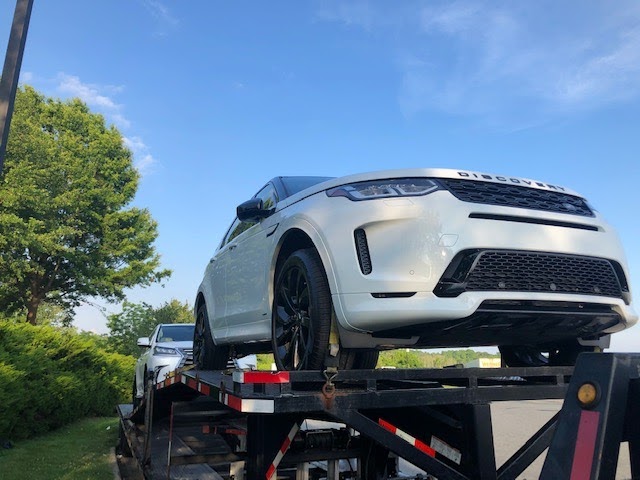
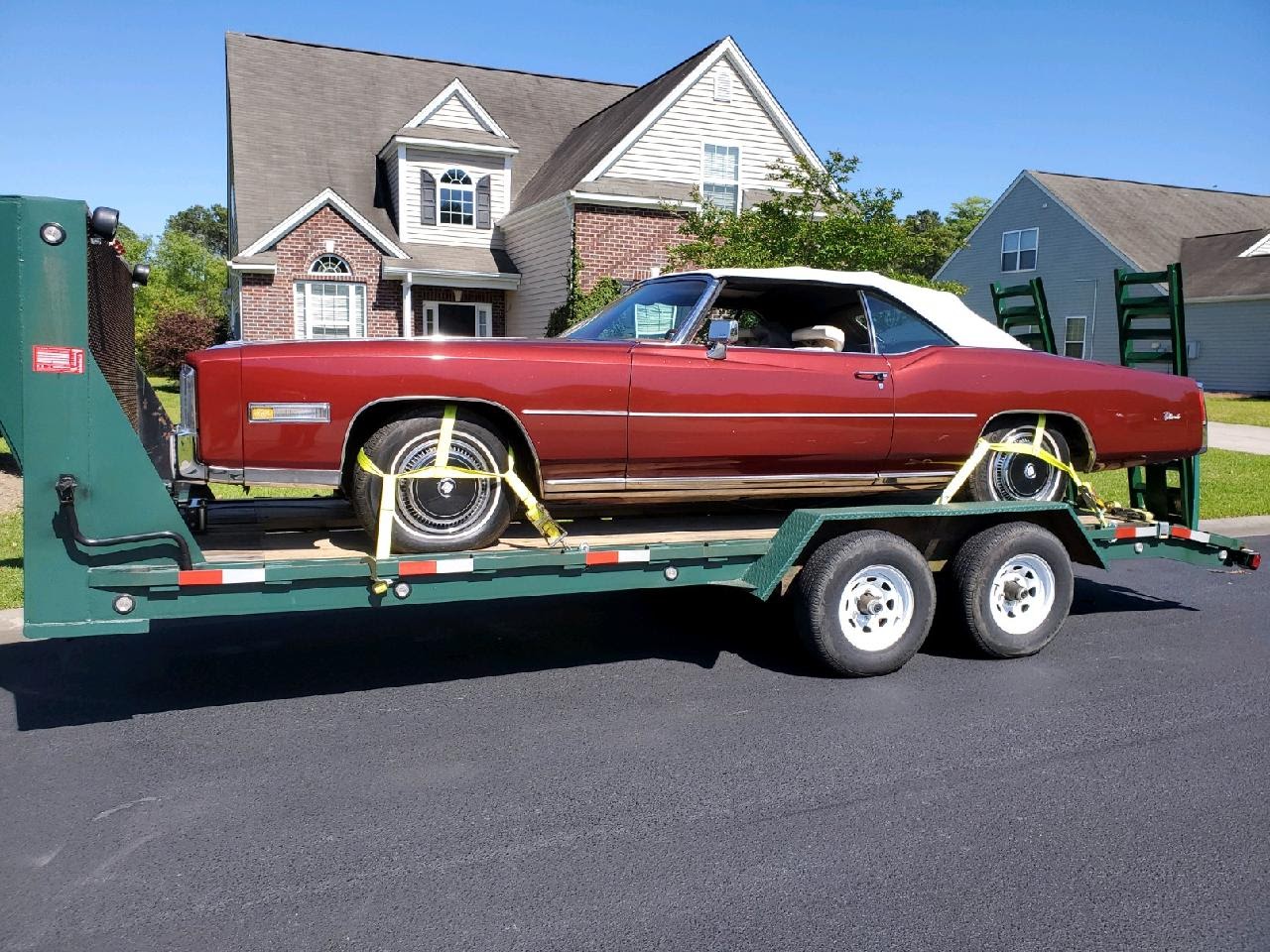
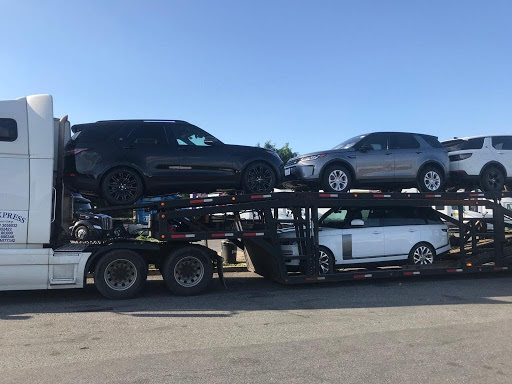
These examples illustrate the planning topics behind direct, road-based commercial vehicle movement from Richmond: vehicle readiness, route fit, site access, and the final receiving handoff.

Richmond Access, Traffic, and Route Considerations
Richmond sits within central Virginia business locations and East Coast interstate corridors. Commercial planning should reflect I-95, I-64, I-295, I-195, and US 60, along with industrial parks, highway-connected service areas, and planned commercial handoffs. Before departure, the business should confirm who can release the truck, where it can safely enter and exit, what route notes apply, and who will receive the vehicle at destination.
How a Richmond Fleet Move Is Scoped Before Pickup
In Richmond, commercial vehicle driveaway is a vehicle-and-route fit decision. The following factors help establish whether a direct driver-based move is appropriate.
- Vehicle readiness: Verify the unit’s roadworthy condition, configuration, required equipment, and any known limitations before considering an over-the-road transfer.
- Business purpose: Identify whether the move supports branch-fleet transfers, commercial delivery, and service-truck relocation, because the operating need can shape timing and delivery priorities.
- Access at both locations: Confirm release authorization, pickup hours, safe entry and exit, delivery procedures, and the person responsible for receiving the vehicle.
- Route and operating conditions: Review distance, route profile, I-95 traffic timing, river crossings, and detailed receiving-site directions, and any practical constraints specific to the vehicle or delivery period.
- Handoff record: Coordinate condition, mileage, fuel, keys, documents or instructions, and final confirmation before the commercial unit changes hands.
Richmond Truck Driveaway Destinations and Handoff Notes
These are business-use examples for roadworthy commercial vehicles leaving Richmond. They are planning scenarios, not quoted transit times or guaranteed availability.
| Commercial Driveaway Route | Typical Eligible Units | Common Business Use | Operational Consideration |
|---|---|---|---|
| From Richmond, VA to Washington, DC | Work trucks, box trucks, and service fleets | Fleet balancing between markets | Review interstate conditions and local approach directions. |
| From Richmond, VA to Norfolk, VA | Commercial vans and utility vehicles | Scheduled project or service deployment | Verify the unit’s route fit before driver assignment. |
| From Richmond, VA to Raleigh, NC | Sleeper cabs and fleet semi trucks | Lease-return or replacement coordination | Coordinate the destination handoff before pickup. |
| From Richmond, VA to Baltimore, MD | Municipal or specialty roadworthy units | Business continuity vehicle move | Confirm release authority and dispatch-ready condition. |
| From Richmond, VA to Atlanta, GA | Dealer-ready commercial vehicles | Branch or territory reassignment | Match route timing to the receiving site’s access window. |
| From Richmond, VA to Charlotte, NC | Roadworthy tractor units and day cabs | Dealer-to-yard operating transfer | Document fuel, keys, condition, and delivery contact. |
Richmond Fleet Transfer Details That Affect the Move
A commercial vehicle transfer from Richmond involves more than dispatching a driver. The vehicle’s condition, route, local access, and receiving process must fit together.

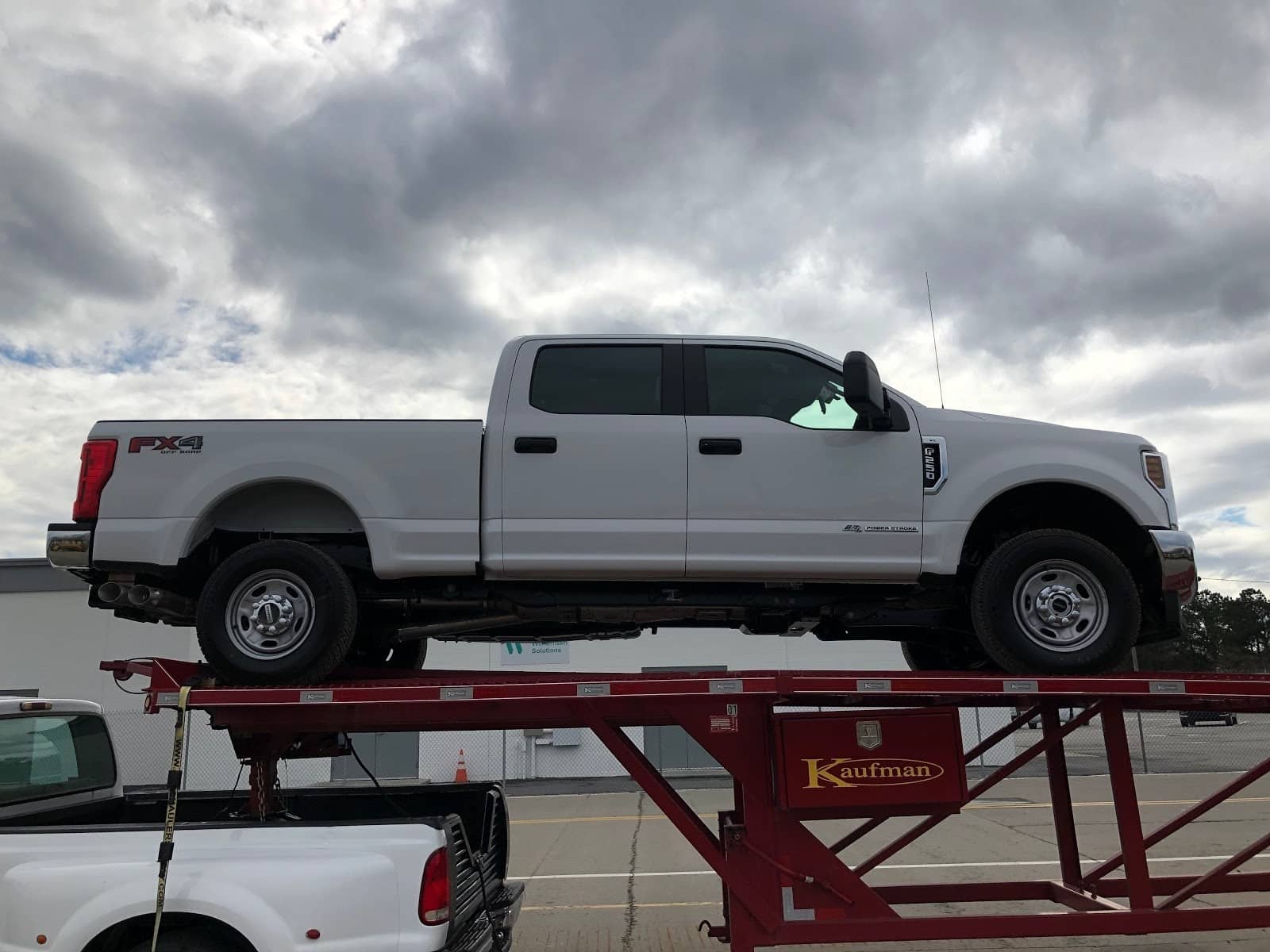
When Commercial Trailer Hauling May Be Better Than Richmond Driveaway
Driveaway is not the automatic answer for every commercial truck in Richmond. Trailer hauling can be a better fit where a unit is non-operational, cannot safely cover the planned route, requires controlled loading, or has dimensions, condition, clearance, or operational factors that limit direct road movement.
For an eligible roadworthy truck leaving Richmond, driveaway can provide direct vehicle relocation. Selecting the right method should follow the vehicle’s actual condition, route fit, business timing, and delivery requirements.
Local Planning Questions for Richmond Commercial Driveaway
Answers below address roadworthy eligibility, commercial access, multi-unit transfers, route planning, and practical conditions for a truck leaving Richmond.
How should a Richmond business prepare a commercial truck for pickup?
A Richmond business should prepare the vehicle for lawful road operation, identify its operating condition and any known limitations, confirm who can release it, provide complete pickup directions, and ensure the destination team is ready to receive the unit. These steps help determine whether commercial driveaway is an appropriate option.
Does a commercial truck need to be roadworthy for driveaway from Richmond?
Yes. A Richmond commercial unit should be able to legally and safely operate over the planned route before a driver-based move is considered. The review should cover operating condition, tires, lights, fuel, required documents, vehicle configuration, and the access plan at both ends.
Which vehicles may be reviewed for Richmond commercial driveaway?
Potential Richmond candidates can include roadworthy tractor units, day cabs, sleeper cabs, box trucks, service trucks, utility vehicles, commercial vans, buses, and other work-ready equipment. Final suitability depends on the specific unit, the route, and operating requirements.
Why do I-95, I-64, I-295, I-195, and US 60 matter to a Richmond truck move?
Those corridors connect Richmond to regional markets, but the actual route must still work for the unit, the delivery schedule, and local access. Planning should account for traffic, road conditions, entry procedures, and the receiving location rather than assume every interstate path is interchangeable.
What details should a business provide for a Richmond, VA driveaway review?
For a Richmond driveaway review, provide the vehicle year and configuration, roadworthy status, pickup and delivery addresses, route timing, fuel and key details, operating notes, release authorization, access restrictions, and a receiving contact. Complete information supports a more useful fit assessment.
Can a Richmond fleet move involve more than one commercial vehicle?
A Richmond multi-unit move can be evaluated as a coordinated commercial movement. The order of pickup, vehicle readiness, driver needs, site access, business priorities, and receiving capacity should be established for each unit before scheduling.
How do local conditions affect commercial driveaway in Richmond?
I-95 traffic timing, river crossings, and detailed receiving-site directions may change how a commercial move is planned. Route selection and timing should be based on the actual vehicle, planned operating period, and documented access at the pickup and delivery locations.
When might trailer hauling be a better choice than driveaway from Richmond?
For commercial units leaving Richmond, trailer hauling may be a better fit when the unit is not operational, cannot safely travel the intended route, needs controlled loading, or has condition, dimension, clearance, or operational issues that make direct road movement unsuitable.
Can a work truck leave Richmond for another regional operating location?
An eligible, roadworthy Richmond work truck may be reviewed for a regional move when the business can confirm its condition, route fit, release process, destination access, and the delivery timeline. Availability and exact timing require separate confirmation for the individual assignment.
What should be documented at pickup and delivery in Richmond?
At Richmond pickup and delivery, businesses should coordinate the vehicle condition, mileage, fuel, keys, papers or operating instructions, release contact, receiving contact, and any site-entry rules. A clear handoff record helps both operating teams understand the transfer.
Richmond Commercial Driveaway Resources and Related Markets
Use these internal resources to compare Richmond commercial driveaway planning with state coverage, related route markets, and heavy truck transportation options.
Richmond Commercial Driveaway Network
Related Driveaway Markets for Richmond
Richmond Heavy Truck Transportation Resources
Get a Commercial Driveaway Evaluation for a Truck Leaving Richmond
Provide the commercial vehicle configuration, roadworthy condition, pickup and delivery locations, requested timing, access instructions, and receiving contact. AutoTransport.com can help evaluate whether direct driveaway fits the Richmond commercial vehicle move.
Last reviewed: July 7, 2026. Richmond commercial route and vehicle information should be updated when verified operating conditions change.